Levels 0–5 take a facility from design through integrated system testing. But commissioning doesn’t end when the reliability run is complete. Level 6: Operational Excellence is where the work transitions to the operations team and becomes a continuous cycle of monitoring, training, and improvement.
This is not officially in the ASHRAE/Uptime framework, but leading operators and commissioning agents know it’s real. A facility is only as good as how it’s run every day.
Why Level 6 Matters
Critical facilities fail for two reasons:
- Poor design and construction (Levels 0–5 catch this).
- Poor operations (Level 6 addresses this).
Even a perfectly commissioned data center will degrade if:
- Alarms are ignored or tuned poorly.
- Operators don’t drill emergency scenarios.
- Procedures drift out of date.
- Maintenance is deferred or ad hoc.
Level 6 keeps the facility “commissioned” for its entire lifecycle.
What Happens in Level 6
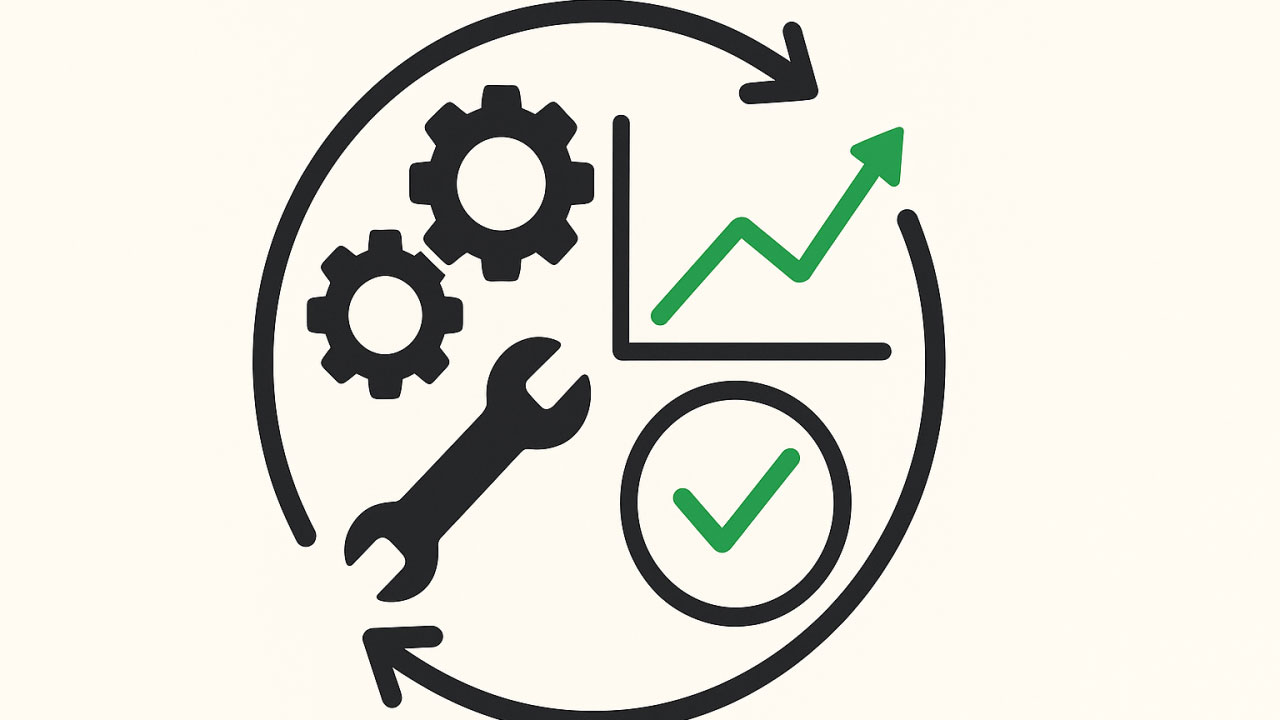
Level 6 focuses on embedding commissioning into daily operations.
1. Runbook Maturity
- Lock in MOPs, SOPs, and EOPs (Method, Standard, Emergency Operating Procedures).
- Conduct live drills: utility loss, generator fail, stuck breaker, chiller trip.
- Update runbooks every time systems or vendors change.
2. Alarm Hygiene
- Rationalize alarms in BMS/DCIM.
- Prioritize what matters (critical vs. nuisance).
- Ensure escalation paths are tested and monitored.
3. Data to Action
- Trend key metrics: load, PUE/WUE, runtime hours, incident rates.
- Review weekly/monthly, use the data to optimize, not just to collect.
4. Change Management
- Formalize Requests for Change (RFC).
- Pre-task briefs before maintenance.
- Post-task reviews to capture lessons learned.
5. Reliability Engineering
- Develop RCM-based (Reliability Centered Maintenance) programs.
- Maintain spares strategy aligned to MTBF/MTTR.
- Audit vendor SLAs against response times and performance.
6. Continuous Testing
- Quarterly “mini-IST” of critical fault scenarios.
- Annual full-site emergency drill with operators and vendors.
Exit Criteria
Level 6 is never “finished.” But you know it’s working when:
- KPIs (availability, efficiency, incident rate) trend toward targets.
- Alarm dashboards are clean, with only meaningful alerts.
- Operators are confident running live drills.
- Procedures are current and audited.
- Lessons learned feed back into both operations and future designs.
Common Pitfalls
- One-and-done mindset. Treating commissioning as a project closeout instead of a lifecycle practice.
- Alarm overload. Without rationalization, operators miss critical alerts buried under noise.
- Weak training. Staff turnover without retraining erodes readiness.
- Paper runbooks. Procedures that sit on a shelf don’t save facilities in real incidents.
The Bigger Picture
Level 6 is the difference between a facility that survives its first year and one that thrives for decades. It embeds resilience into daily habits, not just project milestones.
Commissioning doesn’t end with turnover. It evolves into continuous commissioning, Operational Excellence.
Closing Thought
Excellence is not an act, but a habit. – Aristotle
Level 6 is about habits: clear runbooks, clean alarms, tested procedures, and continuous learning. It’s the stage where a commissioned facility becomes a reliably operated one.
👉 How does your team approach continuous commissioning, quarterly drills, annual IST, or something more advanced?