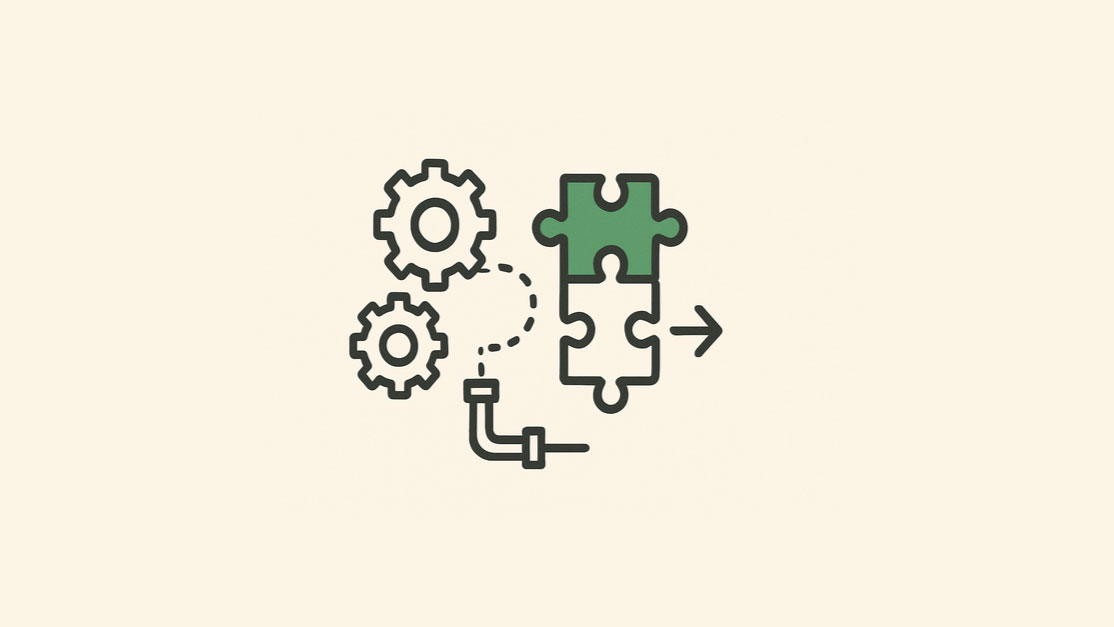
By Level 2, every breaker, pump, UPS, and CRAH should be proven correct and safe. But a data center isn’t a collection of components, it’s a system of systems. Level 3: System Integration Testing (SIT) is where commissioning ensures those systems actually work together.
This is where the project shifts from isolated functionality to coordinated operation.
Why Level 3 Matters
Most data center outages aren’t caused by bad equipment. They’re caused by interfaces that fail under pressure.
- A UPS works fine on its own, but when the static switch transfers, the PDU downstream trips.
- A generator starts, but the ATS logic doesn’t sync with the fuel system, so runtime is cut short.
- Cooling equipment runs in isolation, but fails to sequence correctly under high load.
These are Level 3 issues. They only appear when components are asked to work together under real operating logic.
Level 3 testing is the firewall against integration risk.
What Happens in Level 3
Level 3 focuses on verifying control logic, handshakes, and system-level sequencing.
1. System Start-Up & Sequencing
- Validate start/stop routines for every subsystem.
- Confirm transitions between auto/manual/remote are seamless.
- Check alarm annunciations and reset logic.
Example: When a chilled-water pump fails, does the standby pump auto-start, and does the CRAH receive the correct status?
2. Control & Interlock Testing
- Verify electrical transfers (UPS → STS → PDU).
- Confirm cooling interlocks (chiller → pumps → CRAHs).
- Prove permissives and inhibit logic are enforced.
Example: A chiller shouldn’t start unless condenser water pumps are running. That must be tested, not assumed.
3. Monitoring & Communication
- Confirm all alarms, setpoints, and trends are mapped into BMS/DCIM.
- Test alarm prioritization, critical alarms must cut through the noise.
- Verify override capability works as intended.
Example: A UPS low-battery alarm must show up immediately and clearly, not buried among nuisance warnings.
4. Fail-Safe Behavior
- Simulate component failures: trip breakers, pull fuses, unplug sensors.
- Prove the system defaults to a safe state.
Example: If a chilled-water sensor fails, the control system must fail-safe, not lock a valve closed and kill cooling.
Exit Criteria
Level 3 is only complete when:
- Every sequence of operation (SOO) is tested and documented.
- Handshakes between equipment are validated under both normal and fault conditions.
- All I/O points are proven in the BMS/DCIM.
- Fail-safe logic is demonstrated.
- Deficiencies are logged with clear owners and due dates.
If those aren’t done, the system isn’t ready to move to Level 4.
Common Pitfalls
- Incomplete or vague SOO. If the sequence isn’t clearly defined before testing, the team ends up “making it up” in the field.
- Vendor silos. Each vendor tests their own gear but assumes integration belongs to someone else. SIT closes that gap.
- Schedule pressure. Teams under pressure often rush to energize and “test later.” That’s how bad surprises reach Level 4.
- Poor documentation. If real-time redlines aren’t kept, the as-builts and SOO drift out of sync with what was tested.
The Bigger Picture
Level 3 is where components become a working system. Done right, it builds the confidence needed to step into Level 4 functional performance testing. Done wrong, it guarantees a messy Level 4 full of avoidable failures.
Commissioning is not about proving luck. It’s about proving systems step by step. Level 3 is the step where we confirm integration isn’t just theory, it’s reality.
Closing Thought
The strength of the team is each individual member. The strength of each member is the team. - Phil Jackson
Level 3 is about turning strong components into a stronger system.